When it comes to exploring the lush and vibrant heart of the Peruvian Amazon, two names consistently rise to the surface: Tambopata Reserve and Manu National Park. Both offer astonishing biodiversity, breathtaking landscapes, and unique cultural experiences. In the great debate of Tambopata vs. Manu, we will delve deep into the individual characteristics of both reserves, highlighting what makes each a remarkable destination and the ideal choice for ecotourism enthusiasts. Grab your hiking boots, and let’s embark on this exciting journey!
What are the main differences in biodiversity between Tambopata Reserve and Manu National Park?
Which is easier to access for tourists: Tambopata or Manu?
How do the wildlife viewing opportunities in Tambopata compare to those in Manu National Park?
Which park is better for birdwatching: Tambopata Reserve or Manu National Park?
How do the accommodations and tour options differ between Manu and Tambopata?
What are the unique ecosystems found in Manu National Park that Tambopata doesn’t have?
For a short Amazon trip, is Tambopata or Manu the better choice and why?
1. Introduction to the Wonders of Amazonia
The Amazon rainforest is often referred to as the “lungs of the Earth,” and it is not hard to see why. This vast expanse of greenery is home to an incredible array of plant and animal species, many of which are not found anywhere else on the planet. Among these remarkable locations are the Tambopata National Reserve and Manu National Park, both of which contribute significantly to Peru’s conservation efforts and ecotourism landscape.
2. An Overview of Tambopata National Reserve
Geographic Features
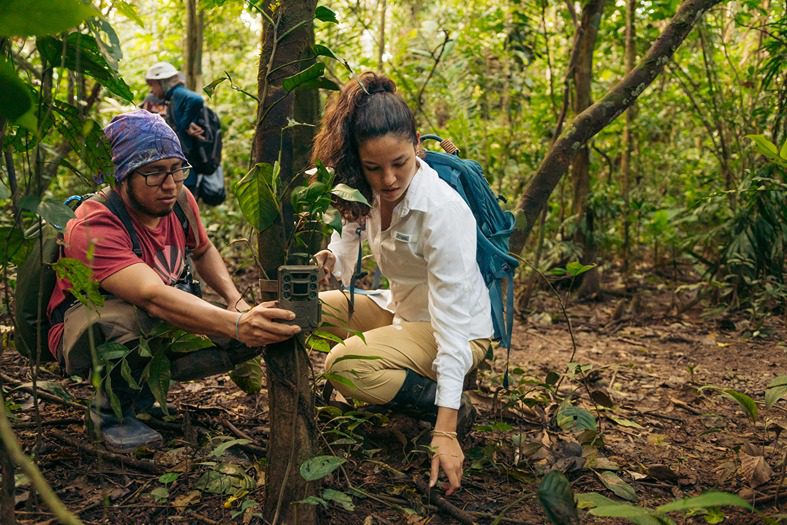
Tambopata National Reserve is a sprawling ecological paradise located in the Madre de Dios region of Peru, covering around 1.5 million acres. The reserve is characterized by its lush tropical rainforest, winding rivers, and a striking variety of ecosystems, including wetlands and savannahs. The Tambopata River, a prominent watercourse that cuts through the reserve, plays a crucial role in shaping its unique habitats and diverse species.
The geography of Tambopata features a combination of lowland rainforest and riverine systems, creating a vibrant network of ecosystems that support an astonishing variety of life. The area’s high humidity and substantial rainfall foster a thriving environment where diverse flora and fauna can flourish, making it a treasure trove for nature lovers and adventurers alike.
Biodiversity Richness
Tambopata is celebrated for its staggering biodiversity, home to over 1,200 butterfly species, 600 bird species, 200 mammal species, and around 1,000 tree species. Among the standout residents are iconic animals like jaguars, giant river otters, and capybaras, as well as a dazzling array of colorful birds, including macaws and toucans. The famous collpas, or clay licks, attract large flocks of parrots and macaws, providing an unforgettable spectacle for visitors and wildlife enthusiasts alike.
But it’s not just the large, charismatic wildlife that makes Tambopata a hotspot for biodiversity. Each step through the forest reveals a wealth of unique insects, reptiles, and amphibians, each contributing to the intricate tapestry of life within this remarkable ecosystem. The sounds of the rainforest—the rustling of leaves, the chirping of insects, and the calls of howler monkeys—create a symphony of nature that captivates anyone fortunate enough to explore this magical reserve.
3. An Overview of Manu National Park
Geographic Features

In contrast to Tambopata is Manu National Park, located further south and covering approximately 1.5 million hectares. The park is notable for its dramatic variation in altitude, ranging from the peaks of the Andes Mountains to the lowland rainforests. This elevation gradient provides numerous ecological zones, each with its own set of flora and fauna, showcasing the extraordinary biodiversity that this UNESCO World Heritage Site has to offer.
The geography of Manu plays a pivotal role in its ecological diversity, presenting varied climates and ecosystems that nurture an incredible variety of life. The rivers that weave through the park, such as the Manu River, not only offer stunning views but also support complex ecosystems that are vital for the survival of many species. Walking through Manu is an adventure across different landscapes, each promising an array of unique wildlife encounters.
Biodiversity Richness
Manu National Park is renowned for its unparalleled biodiversity, often regarded as one of the richest ecosystems on Earth. It boasts over 1,000 bird species, including several rarities, 200 mammal species, and countless insects. The park is also critical for the conservation of endangered species, such as the Manu macaw and the giant river otter, which find refuge in this protected area.
Birdwatchers will find paradise in Manu, where they can spot a remarkable diversity of avian life, including 15 species of hummingbirds and the strikingly colorful peacock bass in its rivers. With many endemic species that are unique to the region, Manu continues to be a focal point for conservation efforts and an essential location for scientific research, making it a critical bastion for biodiversity.
4. Conservation Efforts in Tambopata and Manu
Tambopata’s Protection Initiatives
Tambopata National Reserve serves as a crucial hub for conservation activities. Numerous organizations and local communities engage in efforts to protect this pristine area. Local initiatives focus on sustainability and ecotourism practices, which engage indigenous communities in meaningful ways. By fostering economic benefits through ecotourism, these initiatives ensure that conservation remains a priority and that sustainable practices are upheld. Conservation through collaboration is the key in this landscape.
Community involvement in conservation initiatives is pivotal. Local guides and indigenous peoples are integral to ecotourism experiences, sharing their knowledge of sustainable practices, medicinal plants, and local wildlife. These efforts create a sense of ownership and responsibility among the communities while educating visitors about the importance of preserving their rich natural heritage.
Manu’s Conservation Strategies
Manu National Park stands out as a UNESCO World Heritage Site, holding a robust framework of conservation strategies to protect its rich biodiversity. Certain areas of the park, such as the Manu Biosphere Reserve, are set aside for strict conservation, limiting access to minimize human impact. This careful management helps maintain the integrity of the park’s diverse ecosystems.
Research and monitoring are essential to Manu’s conservation approach. Scientists and researchers from around the globe come to study the flora and fauna, contributing vital data that informs conservation strategies against climate change and human incursions. Educational programs involving local communities foster essential stewardship, ensuring that the unique beauty of Manu can be preserved for generations to come.
5. Ecotourism Opportunities in Both Reserves
Ecotourism in Tambopata
Tambopata has become a popular destination for ecotourism, offering a wide range of activities that immerse visitors in the stunning natural beauty of the reserve. Guided jungle tours allow for unparalleled wildlife spotting, birdwatching, and photography opportunities, ensuring that each interaction with nature is memorable. Local lodges, designed with sustainability in mind, provide warm hospitality and enhance the visitor experience.
Thrill-seekers can engage in exciting activities such as canoeing along the Tambopata River or embarking on adventurous treks deep into the forest. These experiences foster not only a sense of adventure but also a respect for nature, driving home the message that conservation is vital for the preservation of such breathtaking environments.
Ecotourism in Manu
Much like Tambopata, Manu National Park offers unique ecotourism experiences that attract nature aficionados from every corner of the globe. Guided explorations provide visitors with opportunities to witness the park’s unparalleled wildlife, stunning landscapes, and rich ecosystems. Birdwatching is particularly popular here, as many guests hope to catch glimpses of rare bird species that thrive within the park.
Manu also features self-guided trails and camping options, enabling visitors to connect more intimately with nature. Local guides, often members of indigenous communities, enrich the journey by sharing their traditional ecological knowledge and experiences. Emphasizing responsible tourism, Manu prioritizes sustainable practices to ensure that environmental conservation takes center stage throughout all activities.
6. Cultural Experiences in Tambopata and Manu
Cultural Interactions in Tambopata
The Tambopata region is steeped in rich cultural heritage, with indigenous communities such as the Ese’ejas and the Matsigenkas actively engaging in ecotourism. Visitors can participate in cultural exchanges, learning about traditional practices, medicinal plant usage, and sustainable living. These interactions provide a deeper understanding of the local culture, allowing travelers to appreciate both natural and cultural landscapes.
Such cultural experiences not only enrich the visitor’s experience but also aid in preserving the cultural identity of the indigenous communities. Showcasing their traditions and skills not only creates cultural pride but also ensures that these heritages are respected and celebrated.
Cultural Exchanges in Manu
In a similar vein, Manu National Park surrounds visitors with vibrant cultural diversity, home to groups such as the Matsigenkas, who have harmoniously coexisted with nature for centuries. Tourists can partake in cultural workshops that delve into local customs, music, and dance, leading to profound connections and learning moments that resonate long after the visit.
Such interactions also highlight the importance of preserving rich heritage, ensuring that younger generations of indigenous peoples maintain their traditional knowledge amidst modern influences. Engaging with these communities fosters a mutual respect that deepens the overall appreciation of both culture and nature.
7. Comparing Tambopata and Manu: A Summary
Points of Comparison
When considering the distinctions between Tambopata and Manu, several key points emerge. While both reserves are celebrated for their biodiversity, they differ significantly in their landscapes, accessibility, and unique features. Tambopata is more accessible to tourists, often welcoming visitors through organized ecotourism tours that prioritize comfort and convenience. In contrast, Manu demands a greater commitment due to its remote locations and restricted access.
Moreover, Tambopata tends to appeal to those seeking wildlife viewing and adventure tourism, while Manu provides a more immersive ecological experience along with rich cultural interactions. Both reserves ultimately contribute to preserving the Amazon rainforest, albeit through different lenses and experiences. Each offers remarkable opportunities to engage with nature, enhancing our understanding and appreciation of the planet’s wonders.
Similarities that Shine Through
Despite their distinct differences, both Tambopata and Manu share a common goal: promoting responsible tourism that emphasizes the importance of conservation. Both reserves engage local communities, spread environmental awareness, and offer unforgettable experiences that contribute to the sustainability of Peru’s rich biodiversity. They epitomize the potential of ecotourism as a means to balance human needs with the preservation of nature.
In conclusion, whether one is drawn to the lively adventures of Tambopata or the expansive ecosystems of Manu, both reserves offer breathtaking encounters with nature and cultural richness. As the Amazon reveals its treasures, the importance of conservation and cultural reverence comes to the forefront of our shared existence. So, pack your bags and get ready for an unforgettable adventure, immersing yourself in the awe-inspiring wonders of the Amazon rainforest!